
The demand for high-purity nicotine has increased significantly across the United States. Manufacturers producing e-liquids, research laboratories, and commercial formulation facilities all depend on consistent, high-quality raw nicotine to maintain product standards.
As industries expand, many businesses choose to buy nicotine in bulk to manage production costs and ensure a steady supply.
However, bulk purchasing comes with responsibilities. Nicotine is a sensitive chemical that must meet strict purity, safety, and regulatory standards.
Without proper knowledge, companies risk buying low-quality material, receiving inconsistent batches, or facing compliance issues. Understanding what to avoid is just as important as knowing what to buy.
Choosing a reputable bulk nicotine supplier and ensuring that the product is USP grade and properly tested can protect your operation from unnecessary risks.
Below are the seven most common mistakes made when purchasing pure nicotine in bulk, along with how to avoid them.
1. Not Verifying the Purity Level (USP Grade vs. Non-USP)
Purity is the most important factor when purchasing nicotine. Yet many buyers assume all nicotine is the same, and this leads to costly errors.
USP grade nicotine follows the United States Pharmacopeia standards for purity and safety. This category of nicotine must go through strict manufacturing controls and detailed analytical testing. It provides the consistency needed for regulated and commercial applications.
Non-USP nicotine often contains impurities, higher oxidation levels, or solvent residues left from poor extraction practices. These impurities can affect the quality, smell, stability, and performance of the final product. In some cases, non-certified nicotine may not meet U.S. safety or manufacturing regulations, making it unsuitable for many industries.
To confirm that you are receiving pure nicotine that meets USP requirements, request proof of certification and batch-specific testing. A legitimate supplier will provide documentation without hesitation.
2. Ignoring the Certificate of Analysis (COA) and Lab Testing
A Certificate of Analysis is one of the most important documents you can request before purchasing bulk nicotine. The COA verifies the exact purity level, tests for contaminants, and confirms the identity of the batch.
A proper COA should include nicotine purity percentage, total alkaloid content, moisture level, residual solvent results, heavy metal testing, microbial testing, batch number, and test date. These details show that the nicotine has been evaluated thoroughly.
Unfortunately, not all suppliers provide reliable documentation. Some recycle old COAs or present generic results that do not match the batch being shipped. Signs of a questionable COA include missing batch numbers, inconsistent dates, poor formatting, foreign labs with no accreditation, or incomplete testing.
A reputable nicotine base supplier will always provide current, batch-specific COAs with full transparency. This helps ensure the product meets quality expectations before it even arrives at your facility.
3. Choosing the Wrong Nicotine Concentration or Form
Not all nicotine is the same. Manufacturers and labs have varying needs depending on the final product, and choosing the wrong form can slow down production, increase hazards, or waste material.
Pure nicotine at 99 percent or higher is typically used for large-scale production, where precise dilution and strong safety measures are in place.
Diluted nicotine bases, such as nicotine in PG or VG, are easier to work with and reduce the risk during handling. Nicotine salts are designed for different formulations and provide a smoother experience in certain end products.
Before placing a bulk order, consider your intended use, the final concentration required, and the level of expertise within your team.
Ordering a strength that is too high or a form that does not match your process can result in unnecessary risk. Understanding the differences between pure nicotine, diluted bases, and salts ensures you select the correct material for your exact needs.
4. Not Assessing Storage, Packaging, and Shelf Life
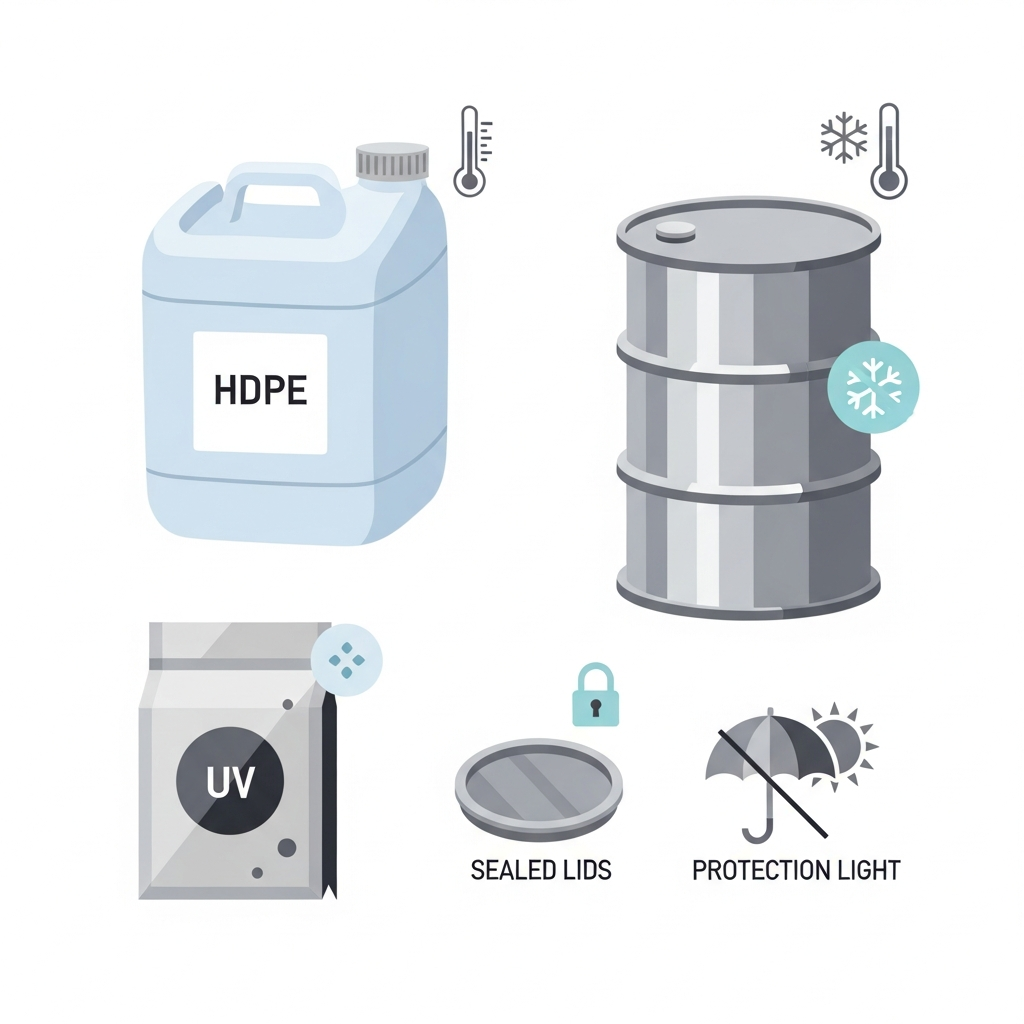
Proper storage and packaging play a critical role in maintaining nicotine’s purity and effectiveness. Many manufacturers overlook this step, which leads to faster degradation, changes in quality, and reduced shelf life. Understanding how to store and handle nicotine correctly is essential for keeping the product stable and reliable.
- Nicotine degrades quickly when exposed to air, heat, or light.
- Improper storage or packaging can damage nicotine long before it is used.
- Poor storage leads to oxidation, making nicotine darker and altering its taste, smell, and stability.
- Oxidized nicotine may still function but delivers lower quality and affects end-product performance.
- Bulk nicotine must be packaged in:
- HDPE containers
- Stainless steel drums
- UV-protected materials
- Temperature-controlled shipping is crucial during warmer seasons, especially for large quantities.
- After receiving the product, store nicotine in a cool, dark environment.
- Always ensure containers are sealed tightly to limit oxygen exposure.
- Proper handling helps preserve freshness, potency, and consistency throughout its use.
5. Buying From Unverified or Overseas Suppliers Without Compliance Checks
Price differences often tempt companies to order from international sources. While some overseas suppliers are compliant, many operate without U.S. safety, testing, or manufacturing standards.
These suppliers may use lower-quality equipment, lack proper documentation, or ship products in poor packaging.
Common issues include long transit times, customs delays, degraded product on arrival, and inconsistent purity levels.
Nicotine that is exposed to heat or light during long-distance shipping is far more likely to oxidize.
Purchasing from a verified, U.S.-based bulk nicotine supplier ensures the product complies with domestic manufacturing standards and reaches you faster.
Before buying, review certifications, customer reviews, and available safety documentation. A reliable supplier provides clear information and has a track record of serving commercial clients in the United States.
6. Overlooking Safety Requirements for Handling and Storage
Pure nicotine is a powerful substance that must be handled with care. Inexperienced staff or inadequate safety procedures increase the risk of accidental exposure, spills, or improper storage.
Training is essential for any team that works with high-strength nicotine. Workers should understand safe handling techniques, required protective equipment, and proper cleanup procedures. Ignoring these precautions can lead to harmful incidents that could have been avoided.
A professional supplier will provide Safety Data Sheets, storage recommendations, and clear guidelines for handling nicotine. These resources help businesses maintain a safe environment and reduce the risk associated with working with concentrated materials.
7. Not Comparing Price vs. Quality
When purchasing nicotine in bulk, many businesses focus solely on finding the lowest price. While this may look cost-effective initially, choosing cheaper nicotine often leads to bigger losses in quality, consistency, and long-term reliability.

- Businesses often select the cheapest bulk nicotine, assuming it reduces costs.
- Low-priced nicotine is frequently lower in purity, more oxidized, or inconsistently manufactured.
- Poor-quality nicotine causes wastage, unstable batches, and reduced product reliability.
- Several factors affect the price of bulk nicotine, including:
- Purity levels
- Extraction and purification methods
- Packaging quality
- Testing and certification
- Shipping and storage conditions
- Instead of choosing based on price alone, evaluate the overall value.
- High-quality nicotine performs better, lasts longer, and remains more stable during production.
- Comparing supplier factors like:
- Testing transparency
- Customer reviews
- Manufacturing standards
Selecting bulk nicotine based only on price can compromise product quality and increase costs over time. By prioritizing purity, consistency, and supplier reliability, businesses can secure a product that supports long-term success. A careful price-versus-quality comparison leads to better results and protects your entire product line.
How to Choose a Reliable Nicotine Supplier
Selecting the right supplier is the most effective way to avoid all of the mistakes listed above.
A trustworthy nicotine base supplier offers USP grade material, up-to-date COAs, secure packaging, and knowledgeable customer support. Domestic manufacturing also ensures fresher batches and faster shipping times.
Look for suppliers that provide documentation openly, maintain strict quality controls, and have a strong presence in the U.S. commercial market.
Why Nicotine Vault Is a Trusted Bulk Nicotine Supplier
Nicotine Vault provides high-purity nicotine to commercial producers and laboratories across the United States.
The company offers USP grade pure nicotine, transparent COAs, and secure packaging designed to protect product quality during shipping and storage.
With U.S.-based production and temperature-controlled shipping options, Nicotine Vault supplies consistent, verified nicotine that meets the needs of professional users.
Buying nicotine in bulk is beneficial only when the purchase is made responsibly. By verifying purity, reviewing COAs, selecting the correct concentration, and partnering with a reputable bulk nicotine supplier, you protect your business and maintain consistent product quality. Quality, safety, and transparency should always guide your purchasing decisions—ensuring your nicotine supply supports long-term success.
To source high-purity nicotine backed by testing and dependable service, explore the options available through Nicotine Vault. Their products offer the consistency and reliability needed for commercial and research use.Get a Quote for High-Quality Bulk Nicotine